Your Complete Guide to Esthetician Equipment
Equipping a professional esthetics practice is one of the most important — and most expensive — decisions a salon or spa owner will make. The right equipment enhances every treatment you perform, improves client satisfaction and retention, and builds the professional foundation for a thriving business. The wrong equipment wastes money, limits your service offerings, and can even compromise client safety.
EstheticianEquip is the independent professional's resource for understanding the esthetician equipment market. We provide in-depth buying guides, technology comparisons, cost analysis, and practical setup advice specifically for salon and spa owners who need to make smart, informed purchasing decisions. Whether you are opening your first treatment room or expanding an established practice, our guides help you invest wisely.
Key Facts: Esthetician Equipment in 2026
- The global medical spa equipment market is valued at approximately $15.9 billion in 2025 and is projected to exceed $30 billion by 2032, growing at 9.2% CAGR.
- A fully equipped single treatment room typically costs $8,000 to $25,000 depending on equipment tier and technology choices.
- Advanced treatment machines (HydraFacial, LED, microdermabrasion) generate $150 to $500+ per session, with most paying for themselves within 3 to 6 months.
- Multi-function platforms that combine 3 to 5 modalities can reduce total equipment spend by 30 to 40% compared to purchasing individual machines.
- The average esthetician practice offers 6 to 8 distinct treatment categories, requiring equipment investments across furniture, machines, and consumables.

Essential Equipment Categories
Professional esthetician equipment spans a wide range of categories, from the treatment bed your clients lie on to the advanced technology that powers your most profitable services. Here are the primary categories every spa owner should understand:
I remember helping a solo esthetician in Portland set up her first treatment room in 2014 for under $6,000. She started with a basic facial bed, a single steamer, a magnifying lamp, and a used high-frequency machine. Within eight months, her treatment revenue justified adding a $3,200 LED panel — which paid for itself in six weeks of add-on services.
Treatment Furniture
Facial beds, massage tables, pedicure chairs, technician stools, and carts — the physical foundation of your treatment room.
Facial Machines
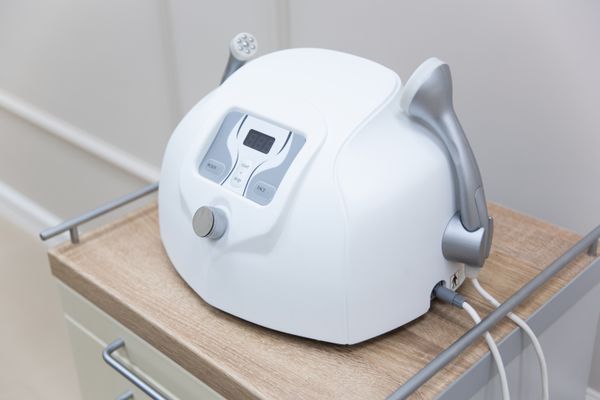
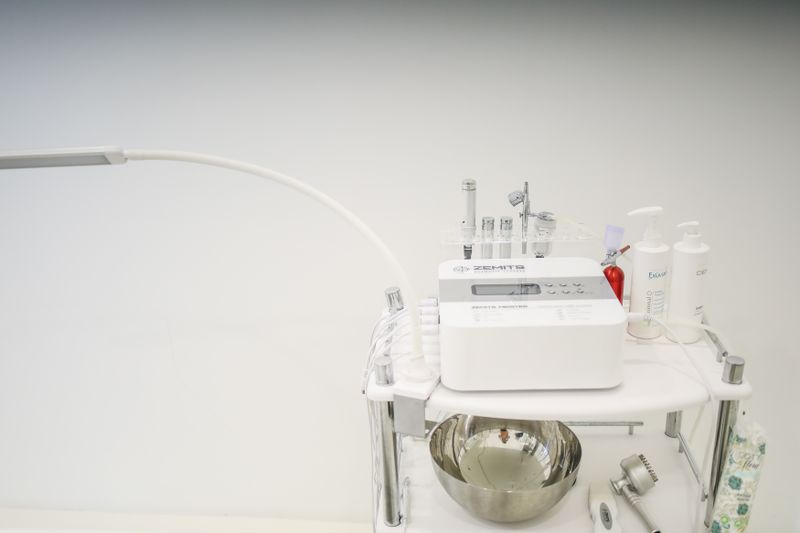
High frequency, galvanic, vacuum, steamers, and multi-function units that power your core facial services.
Advanced Technology
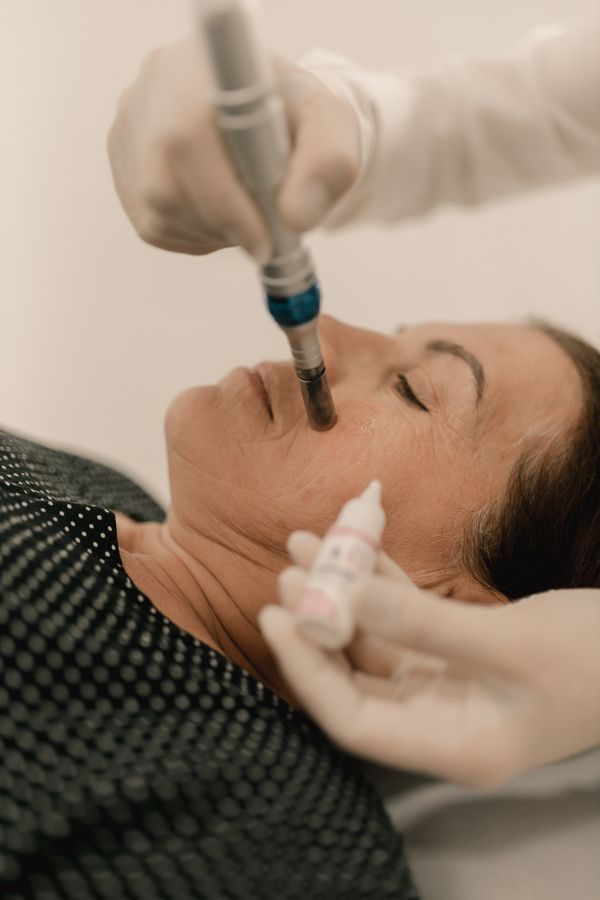
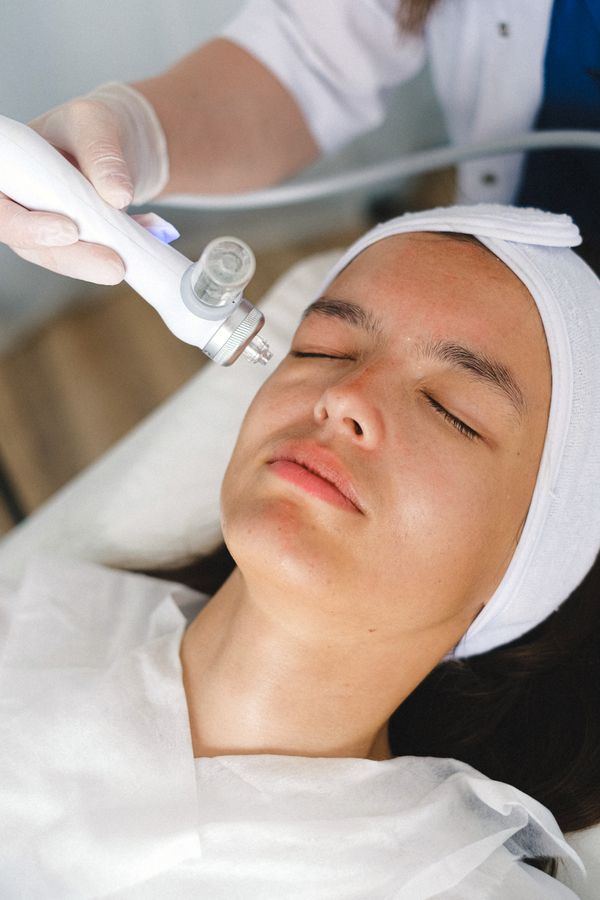
HydraFacial, LED light therapy, microdermabrasion, and microcurrent — the high-revenue treatment modalities driving modern esthetics.
Specialty Services
Hair removal (waxing, IPL, laser), permanent makeup, and lash extension equipment for diversified service menus.
What Spa Owners Need to Know
The esthetician equipment market has expanded significantly in recent years, driven by new technologies, growing consumer demand for advanced skincare treatments, and the explosive growth of the medical spa industry. For spa owners, this creates both opportunity and complexity. Understanding the market helps you make better purchasing decisions:
Technology is driving revenue growth. Advanced treatment machines like HydraFacial systems, LED therapy panels, and microdermabrasion units allow estheticians to offer high-ticket services ($150–$500+ per treatment) that substantially increase revenue per treatment room hour. The return on investment for quality equipment is often measured in months, not years.
Quality matters more than quantity. A treatment room with three excellent machines will outperform one with ten mediocre devices. Prioritize the equipment that supports your highest-demand services and invest in reliable, professional-grade brands. Our buying guide helps you identify the best value at every price point.
The biggest mistake I see new practitioners make is buying a multi-function machine as their first major purchase. The all-in-one units I evaluated at IECSC 2023 had improved significantly, but the galvanic and microcurrent modules on sub-$3,000 platforms still underperform compared to dedicated devices in the $800-$1,500 range.
Smart purchasing strategies save thousands. Equipment packages, trade show purchasing, pre-owned equipment, and budget-friendly alternatives can significantly reduce your startup and expansion costs without compromising quality. Financing options make even premium equipment accessible to new practices.
Getting Started
If you are new to equipping a practice, start with our esthetician room setup guide for a complete treatment room design and equipment checklist. For those expanding or upgrading, explore our individual equipment guides to compare technologies, features, and pricing in the categories that matter most to your business.
The Esthetician Equipment Market in 2025–2026
The global esthetician services market has grown to an estimated $19–21 billion as of 2025, expanding at roughly 7–8% annually. This surge is driven by rising demand for non-invasive treatments, AI-powered skin diagnostics, and the growing influence of social media in normalizing professional skincare. For estheticians, equipment selection has never been more critical — the right tools separate a thriving practice from one that struggles to retain clients in a crowded marketplace.
AI-driven skin analysis devices are becoming standard in modern practices, enabling estheticians to identify conditions like hyperpigmentation, fine lines, and texture irregularities with precision that complements trained clinical observation. Augmented reality applications let clients visualize potential treatment outcomes before committing, which boosts confidence and reduces cancellations. Whether you are launching a new practice or upgrading an established one, investing in technology-forward equipment positions you to attract the growing demographic of younger clients — particularly Gen Z consumers who now view professional skincare as routine preventive care rather than a luxury.
Building a Profitable Equipment Investment Strategy
Equipment purchases represent one of the largest startup costs for any esthetician practice, but a strategic approach can maximize return on investment. Prioritize multi-function devices that serve several treatment categories — a single platform combining microdermabrasion, LED therapy, and ultrasound, for example, eliminates the need for three separate machines while expanding your menu of services. Look for devices with modular upgrade paths so you can add new handpieces or treatment modes as trends evolve without replacing the entire unit.
Financing and leasing arrangements have become more accessible as lenders recognize the aesthetic industry's strong growth trajectory. Many equipment manufacturers now offer zero-interest financing for 12–24 months, and third-party medical equipment leasing companies provide flexible terms that keep monthly payments manageable. Before committing, calculate the revenue each piece of equipment will generate — a hydrafacial machine that enables $150–250 treatments can pay for itself within months if you maintain steady client bookings. You can total those costs and estimate the payback period with our equipment cost calculator. Pair your hardware investment with ongoing advanced training to ensure you extract full value from every device you purchase.
Equipment Cost Comparison by Category
Understanding the price range across equipment categories helps you allocate your budget effectively. The following table compares the major equipment categories by cost range, revenue potential, and priority level for new practices. To total your own list at current quotes, use the equipment cost calculator.
| Equipment Category | Price Range | Revenue Per Session | Payback Period | Priority for New Practice |
|---|---|---|---|---|
| Facial Bed (Electric) | $1,500–$4,000 | N/A (foundational) | N/A | Essential — buy first |
| HydraFacial / Hydrodermabrasion | $2,000–$35,000 | $150–$350 | 2–6 months | High — top revenue driver |
| LED Light Therapy Panel | $1,500–$10,000 | $50–$150 (or $25–$75 add-on) | 1–3 months | High — versatile add-on |
| Microdermabrasion Machine | $1,500–$8,000 | $100–$250 | 2–4 months | High — broad client appeal |
| High Frequency Machine | $100–$500 | $30–$75 (add-on) | Under 1 month | Medium — affordable essential |
| Facial Steamer | $80–$400 | Included in facials | Under 1 month | Essential — basic service tool |
| Hair Removal (Waxing Setup) | $200–$800 | $30–$120 | Under 1 month | Medium — diversifies revenue |
| IPL / Laser Hair Removal | $5,000–$80,000 | $150–$500 | 6–18 months | Low — for established practices |
Regulatory Considerations and Licensing Requirements
Equipment purchases must align with your state's esthetics licensing scope of practice. In most U.S. states, licensed estheticians can operate non-invasive devices including steamers, high frequency machines, LED light therapy panels, microdermabrasion units, and hydrodermabrasion systems without additional certifications. However, devices that penetrate the skin, use laser energy, or deliver injectable substances typically fall under medical device regulations and may require supervision by a licensed physician or nurse practitioner.
The FDA classifies most LED therapy devices as Class II medical devices, requiring 510(k) clearance for manufacturers to market them for therapeutic claims. When purchasing equipment, verify that devices carry appropriate FDA clearance or CE marking. State boards of cosmetology and esthetics — such as those governed by individual state departments of health — publish scope-of-practice guidelines that specify exactly which devices and procedures licensed estheticians may perform. Review your state board requirements before investing in advanced technology, and consider consulting the Associated Skin Care Professionals (ASCP) for guidance on insurance coverage for specific equipment types.
Equipment Maintenance and Longevity
Professional esthetician equipment represents a significant capital investment, and proper maintenance extends the useful life of each device by years. Develop a maintenance schedule that includes daily cleaning and disinfection of all client-contact surfaces, weekly inspection of electrical connections and mechanical components, monthly calibration checks for treatment machines, and annual professional servicing for complex devices like HydraFacial systems and IPL machines. Most professional-grade facial machines carry manufacturer warranties of 1 to 3 years, with extended warranty options available from many distributors. Budget approximately 5 to 10% of your total equipment value annually for maintenance, repairs, and eventual replacement of consumable components like diamond tips, filters, and handpiece seals.
Proper storage and environmental controls also matter. Keep electronic equipment in climate-controlled spaces with stable temperatures between 60 and 80 degrees Fahrenheit and humidity below 60%. Avoid placing machines near sinks or areas where water exposure could damage electrical components. According to industry data from the American Spa magazine, practices that follow manufacturer-recommended maintenance schedules report 40% fewer equipment failures and 2 to 3 years longer operational life compared to those that defer maintenance.
Financing Options for Equipment Purchases
The financial barrier to equipping a treatment room has decreased significantly as lenders have recognized the strong revenue-generating potential of esthetics equipment. Several financing pathways are available to new and expanding practices. Equipment financing loans, offered through specialized lenders like Ascentium Capital, Navitas Lease Finance, and LEAF Commercial Capital, typically require minimal down payment and offer terms of 24 to 60 months. Small Business Administration (SBA) loans, particularly the SBA 7(a) and SBA Express programs, provide favorable interest rates for qualified applicants. Many equipment manufacturers and distributors also offer in-house financing or lease-to-own programs, with some providing zero-interest promotional periods of 6 to 24 months for qualified buyers.
Leasing is a popular and growing alternative to outright purchase, particularly for high-cost items like HydraFacial systems and IPL machines. Operating leases keep equipment off your balance sheet and allow you to upgrade to newer technology at the end of the lease term, typically 24 to 48 months. Capital leases, structured more like installment purchases, let you own the equipment at the end of the term for a nominal buyout. When comparing financing options, calculate the total cost of ownership — including interest, maintenance, and consumable costs — against projected treatment revenue to determine the true return on investment for each piece of equipment. Our lease vs buy calculator compares the two paths on your own numbers.
Frequently Asked Questions
How much does it cost to fully equip an esthetician treatment room?
A fully equipped single treatment room typically costs between $8,000 and $25,000 depending on the quality tier and technology selections. A basic setup with a hydraulic facial bed, steamer, high frequency machine, and essential supplies starts around $3,000 to $5,000. Adding advanced machines like HydraFacial, LED therapy, and microdermabrasion pushes the investment to $15,000 to $25,000 or more. Multi-function platforms can reduce total costs by combining several treatment modalities in a single device.
What equipment should a new esthetician buy first?
Prioritize foundational equipment in this order: a quality facial bed or treatment table, a facial steamer, magnifying lamp, basic tool set (extraction tools, brushes, bowls), and a high frequency machine. These items allow you to offer core facial services immediately. Add revenue-generating technology like LED therapy or microdermabrasion once your client base is established and cash flow supports the investment. A quality facial bed should never be compromised — it is the one piece of equipment every client directly experiences.
Is it worth buying used esthetician equipment?
Used equipment can provide excellent value, particularly for furniture items like facial beds, massage tables, and pedicure chairs that have long operational lifespans. However, exercise caution with electronic treatment machines — verify functionality, check for recalls, confirm the manufacturer still supports the model with parts and service, and ensure any necessary FDA clearances or certifications transfer to the new owner. Reputable used equipment dealers typically offer limited warranties and inspection reports. Expect to save 30 to 60% compared to new equipment pricing.
What is the most profitable esthetician equipment to invest in?
HydraFacial and hydrodermabrasion systems consistently rank as the highest-ROI equipment investments in esthetics. A branded HydraFacial machine generating 4 to 6 treatments per day at $200 average can produce over $200,000 in annual revenue. LED light therapy panels offer the highest profit margins due to near-zero consumable costs. Microdermabrasion machines deliver reliable revenue through series-based treatment packages. The most profitable approach is pairing complementary technologies that enable upselling and comprehensive treatment protocols.
Do I need special licensing for esthetician equipment?
In most U.S. states, a standard esthetics license permits operation of non-invasive equipment including steamers, high frequency machines, LED panels, microdermabrasion units, and hydrodermabrasion systems. However, laser devices, IPL machines, and certain radiofrequency systems may require medical supervision, advanced certifications, or a medical esthetics license depending on state regulations. Always verify your state board's scope-of-practice guidelines before purchasing equipment. Some states, like California and Texas, have particularly detailed regulations governing which devices estheticians may operate independently.
How do multi-function esthetician machines compare to individual devices?
Multi-function platforms that combine 3 to 5 treatment modalities (such as microdermabrasion, LED therapy, ultrasound, galvanic, and vacuum) in a single unit typically cost $3,000 to $12,000 — representing 30 to 40% savings compared to purchasing each technology separately. The trade-off is that individual components may not match the performance of dedicated standalone machines. Multi-function units work well for practices with limited space and budget, while standalone machines are preferred by high-volume practices that need maximum performance and reliability for each treatment modality.
What warranty should I expect on professional esthetician equipment?
Professional-grade esthetician equipment typically carries manufacturer warranties of 1 to 3 years for electronic devices and 2 to 5 years for furniture items like facial beds and treatment tables. Premium brands like Dermalogica, Silhouet-Tone, and Earthlite often offer extended warranty options for an additional cost. Always read warranty terms carefully — some warranties exclude consumable components, require registration within a specific timeframe, or are voided by unauthorized repairs. For high-value equipment purchases exceeding $5,000, consider purchasing an extended warranty or service agreement that covers parts and labor beyond the standard warranty period.
Equipment recommendations on this page reflect independent research and hands-on evaluation — we maintain no financial relationships with manufacturers. See our full disclosure for details.
Editorially reviewed: February 28, 2026